Mahkota Cancer Centre
Mahkota Specialist Hospital has been recognised for Oncology in Newsweek and Statista’s Best Specialized Hospitals Asia Pacific for four consecutive years, from 2023 to 2026. Mahkota Cancer Centre brings together multidisciplinary expertise, cancer diagnostic and treatment services, and personalised support.

Overview
Comprehensive Cancer Care, Centred Around You
A cancer diagnosis can bring uncertainty, difficult decisions and questions about what comes next. Having access to appropriate medical expertise and coordinated care is an important part of navigating this journey.
Located in Melaka, Malaysia, Mahkota Cancer Centre at Mahkota Specialist Hospital brings together cancer specialists, diagnostic services, treatment facilities and supportive care to address the needs of patients with different types of cancer.
Our multidisciplinary approach supports personalised treatment planning based on each patient's diagnosis, cancer stage, overall health and treatment goals.
From early detection and diagnostic assessment to cancer treatment and long-term follow-up, we are committed to providing evidence-based care, clear communication and compassionate support.
Our Approach to Cancer Care
Comprehensive Cancer Services
Cancer screening, diagnostic investigations, medical treatment and supportive care within a multidisciplinary hospital environment.
Multidisciplinary Medical Expertise
Collaboration among oncologists, surgeons, radiologists, pathologists, nurses and allied health professionals.
Personalised Treatment Planning
Treatment recommendations guided by clinical findings, cancer characteristics and individual patient needs.
Dedicated Cancer Navigation
Guidance and coordination to help patients and families understand treatment arrangements and navigate the care process.
Internationally Recognised Quality
Internationally Recognised Cancer Care
Choosing a cancer treatment centre is an important decision for patients and their families.
At Mahkota Cancer Centre, our approach combines specialist expertise, internationally recognised quality standards, advanced treatment capabilities and dedicated patient support.
Recognised for Oncology in Asia Pacific
Newsweek & Statista's Best Specialized Hospitals Asia Pacific | 2023–2026
Mahkota Specialist Hospital has been recognised in the Oncology category of Newsweek and Statista's Best Specialized Hospitals Asia Pacific rankings for four consecutive years, from 2023 to 2026.
It is the only hospital in Malaysia's Southern Region to receive this recognition in Oncology during this period.
This recognition reflects Mahkota's established position in specialised cancer care and our continued commitment to strengthening oncology services for patients in Malaysia and beyond.
Internationally Accredited Hospital
Joint Commission International (JCI) Accreditation | 2026–2029
Mahkota Specialist Hospital has maintained JCI hospital accreditation, with its latest accreditation covering 2026–2029.
JCI accreditation assesses healthcare organisations against internationally recognised standards involving patient safety, quality of care, clinical processes and organisational management.
Our continued accreditation reflects a commitment to structured clinical practices and ongoing quality improvement.
Malaysia's First JCI-Certified Breast Cancer Care Programme
JCI Clinical Care Programme Certification (CCPC) – Breast Cancer | 2026–2029
Mahkota Specialist Hospital is the first hospital in Malaysia to achieve JCI Clinical Care Programme Certification for Breast Cancer.
Our Breast Cancer Programme successfully renewed this certification for 2026–2029, recognising our structured, evidence-based and multidisciplinary approach to breast cancer diagnosis, treatment and ongoing care.
The programme is supported by established care pathways, specialist collaboration, dedicated nurse navigation and continuous monitoring of clinical care processes.
Cancer Screening & Diagnosis
Early detection and accurate diagnosis play important roles in cancer care.
Some cancers can be identified through recommended screening before symptoms develop, while others are diagnosed following an assessment of symptoms or abnormal medical findings.
At Mahkota Cancer Centre, a range of diagnostic services helps specialists investigate suspected cancer, evaluate disease characteristics and determine appropriate management.
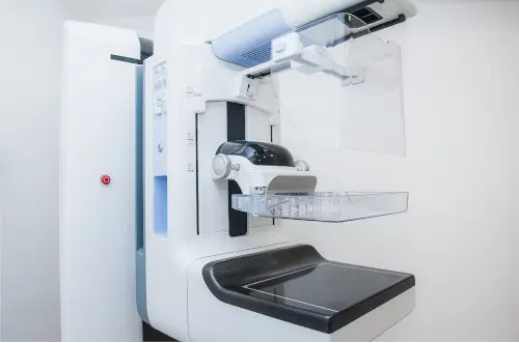
Digital Mammogram
Digital mammography uses low-dose X-rays to examine breast tissue and identify abnormalities that may not be noticeable during a physical examination.
It is commonly used for breast cancer screening and further evaluation of suspicious breast changes.
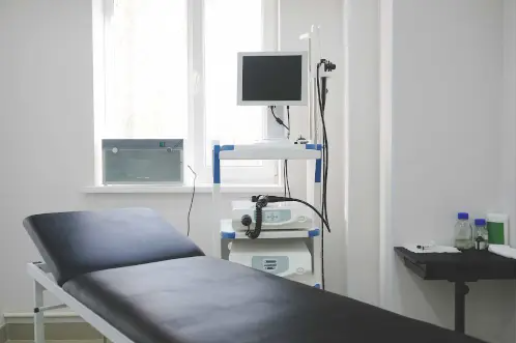
Endoscopy
Endoscopy allows specialists to examine parts of the body using a flexible instrument equipped with a camera.
Procedures such as gastroscopy and colonoscopy can help investigate digestive symptoms, identify abnormalities and collect tissue samples for further assessment when necessary.
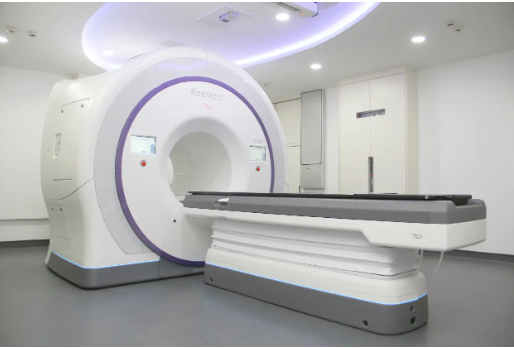
PET CT-Scan
Positron Emission Tomography–Computed Tomography (PET-CT) combines functional and anatomical imaging to provide detailed information about certain cancer conditions.
Depending on the type of cancer and clinical indication, PET-CT may assist in staging, evaluating treatment response or investigating suspected recurrence.
Cancer Treatment
Cancer treatment is determined by several factors, including the type and stage of cancer, tumour characteristics, overall health and individual treatment goals.
At Mahkota Cancer Centre, our specialists work together to develop treatment recommendations according to each patient's clinical needs.
Treatment may involve one or a combination of the following approaches.
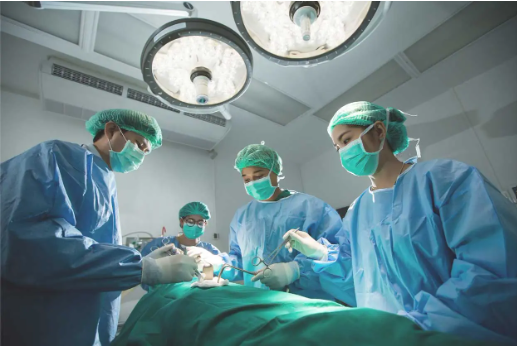
Multidisciplinary Surgery
Cancer surgery may be performed to remove cancerous tissue, obtain diagnostic information, reduce tumour burden or manage certain cancer-related complications.
The surgical approach depends on the cancer's location, extent and characteristics, as well as the patient's overall condition.
Relevant surgical specialists work alongside the oncology team to support coordinated treatment planning.
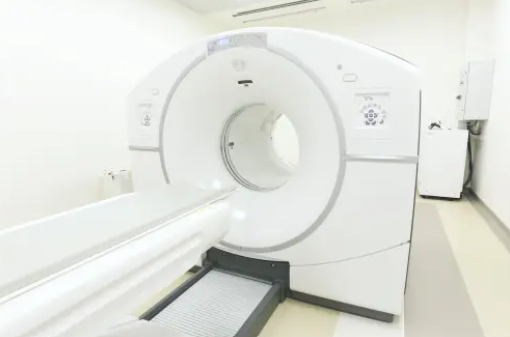
Radiotherapy
Radiotherapy uses high-energy radiation to destroy cancer cells or control their growth in a targeted area.
It may be recommended as a primary cancer treatment, following surgery or as part of symptom management.
Mahkota Cancer Centre offers radiotherapy supported by the TomoTherapy Radixact X7 system, enabling individualised treatment planning for suitable patients.

Chemotherapy
Chemotherapy uses medicines to destroy cancer cells or slow their growth.
Depending on the diagnosis, chemotherapy may be recommended before surgery, after surgery or as the main treatment for certain cancers.
It may also be used to manage advanced disease, control symptoms or slow disease progression.
Mahkota Specialist Hospital provides chemotherapy services through its dedicated Chemotherapy DayCare facilities, with treatment prescribed and monitored by the relevant medical team.
Cancer Symptoms
Symptoms of Cancer
Cancer symptoms can vary depending on the type of cancer and the part of the body affected.
Some cancers may not cause noticeable symptoms in their early stages. Others may produce changes that are easily mistaken for common health conditions.
Recognising persistent or unexplained changes and seeking medical advice can support timely assessment.

Unexplained Weight Loss

Unexplained Fever

Fatigue

Pain

Skin Changes
Cancer Comprehensive Care
Cancer comprehensive care encompasses a holistic approach to cancer treatment and support, addressing the physical, emotional, and psychological needs of individuals facing cancer.
Comprehensive Cancer Care From Us, To You
Our comprehensive cancer centre brings together a critical mass of people – experts who devote themselves to fighting cancer, in and out of the operation theatre. Focusing on reconnecting and reintroducing the new you to the world, our team of specialist will help you achieve your goals both physically and mentally.

Nutritional Service

Psycho Oncology Services

Oral & Dental Services

Patient Support Group
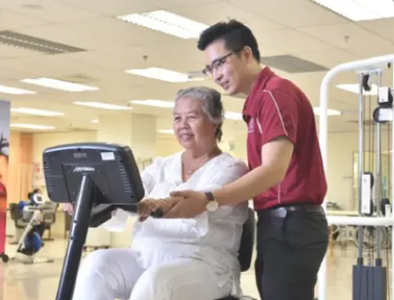
Rehabilitation Service

External Support
Cancer Navigator
A cancer diagnosis may involve multiple appointments, investigations, treatments and decisions.
Our Cancer Navigator Programme is designed to help patients and their families understand the care process and access appropriate support throughout the cancer journey.
Cancer Navigators work alongside the healthcare team to facilitate communication, coordinate services and address practical concerns that may arise during treatment.

Providing Assistance
Providing you assistance in understanding more about your disease, prescribed treatment, side effects of treatment, and how to manage them.

Supporting Your Scheduling
Supporting the timely scheduling of appointments, diagnostic testing, and procedures.

Coordinate Continuous Care
Functioning as a member of an interdisciplinary team to assess, secure, and coordinate appropriate services through the continuum of care

Evaluate and Provide Feedback
Evaluating patients for psychosocial distress and feedback to attending physician for further management

Address Barriers
Address tangible barriers to care such as accommodation, transportation, visa extension, and much more

Coordinate Counselling/Screening
Coordinate patients & caregivers for cancer genetic counselling/screening

Promote Awareness
In consultation with other members of the healthcare team, promote awareness of clinical trials as appropriate
Common Types of Cancer
Cancer remains a significant health concern in Malaysia, affecting individuals across different age groups. It can develop in various organs and tissues, with each cancer type presenting different risk factors, symptoms and treatment needs.
According to the latest Malaysia National Cancer Registry Report 2017–2021, published by the Ministry of Health Malaysia in April 2026, a total of 168,823 new cancer cases were recorded nationwide during the five-year reporting period.
Breast cancer, colorectal cancer and lung cancer were the three most commonly diagnosed cancers, collectively accounting for approximately 41.8% of all reported cases.
The ten most common cancers in Malaysia during 2017–2021, ranked by their proportion of new cases, were:
- 1Breast Cancer (17.6%)
- 2Colorectal Cancer (14.1%)
- 3Lung Cancer (10.1%)
- 4Lymphoma (5.2%)
- 5Liver Cancer (4.9%)
- 6Prostate Cancer (3.8%)
- 7Leukaemia (3.7%)
- 8Nasopharyngeal Cancer (3.1%)
- 9Uterine Corpus Cancer (3.0%)
- 10Ovarian Cancer (2.8%)
Understanding the different types of cancer and recognising potential warning signs can encourage timely medical consultation and appropriate screening.
At Mahkota Cancer Centre, our multidisciplinary team provides diagnostic assessment, personalised treatment planning and coordinated care for patients with various cancer conditions.
Explore some of the common types of cancer below to learn more about their symptoms, diagnosis and treatment options.
Source: Ministry of Health Malaysia, Malaysia National Cancer Registry Report 2017–2021, published April 2026.
More information
Learn more about the common types of cancer in Malaysia.

Breast Cancer
Breast cancer develops when abnormal cells in breast tissue grow uncontrollably.
Early detection through appropriate screening can help identify breast changes before noticeable symptoms appear.
Mahkota Specialist Hospital is Malaysia's first hospital to achieve JCI Clinical Care Programme Certification for Breast Cancer.





Specialist doctors
Our specialists bring together medical expertise across oncology, haematology, nuclear medicine and other relevant disciplines to support the diagnosis and management of cancer.
Clinical Oncology




Internal Medicine and Haemotology

Nuclear Medicine & PET-CT


Have question?
Get in touch with Mahkota MedicalCentres of Excellence
Centres of Excellence available in Mahkota Medical Centre
Your kidneys are bean-shaped organs about the size of your fist. They sit under your ribcage, toward your back.

In our effort to raise awareness for management of diabetes, the centre is set up with the objective to educat ...