


Prostate Cancer Care You Can Count On
Recognised in Newsweek's Best Specialized Hospitals Asia Pacific rankings for Oncology for four consecutive years (2023–2026), Mahkota Specialist Hospital provides comprehensive prostate cancer care, supported by KOELIS MRI–Ultrasound Fusion Biopsy for targeted diagnosis and hinotori™ Robotic-Assisted Surgery for minimally invasive treatment.

Overview
Prostate cancer is one of the most common cancers affecting men in Malaysia. Although it often develops slowly, some forms can grow aggressively and spread beyond the prostate gland.
At Mahkota Specialist Hospital in Melaka, we provide comprehensive prostate cancer care, from screening and diagnosis to personalised treatment and follow-up.
Our prostate cancer services are supported by specialist expertise and advanced medical technologies, including KOELIS MRI–Ultrasound Fusion Biopsy for targeted prostate cancer diagnosis and the hinotori™ Robotic Surgical System for minimally invasive prostatectomy in suitable patients.
Whether you are experiencing prostate-related symptoms, have an elevated PSA result or have been diagnosed with prostate cancer, our specialists are here to help you understand your condition and available treatment options.
What Is Prostate Cancer?
The prostate is a small, walnut-sized gland located below the bladder and in front of the rectum. It forms part of the male reproductive system and produces fluid that contributes to semen.
Prostate cancer develops when abnormal cells in the prostate gland begin to grow uncontrollably.
Some prostate cancers grow slowly and may not require immediate treatment, while others can develop more aggressively.
Early assessment and appropriate diagnosis can help identify prostate cancer and guide timely treatment decisions.
Prostate Cancer in Malaysia
According to the Ministry of Health Malaysia's National Cancer Registry Report 2017–2021, prostate cancer was the third most common cancer among Malaysian men, accounting for 9.3% of newly reported male cancer cases during the period.
The report also recorded an age-standardised incidence rate of 16.7 per 100,000 population in Melaka, the highest state-level rate reported for prostate cancer in Malaysia.
These findings highlight the importance of prostate health awareness and timely medical assessment, particularly among men as they age.
Source: Ministry of Health Malaysia, Malaysia National Cancer Registry Report 2017–2021.
What Are the Symptoms of Prostate Cancer?
Early-stage prostate cancer often does not cause noticeable symptoms. As the condition progresses, some men may experience:
- Difficulty starting urination or a weak urine stream
- Frequent urination, particularly at night
- Difficulty emptying the bladder completely
- Blood in the urine or semen
- Pain or discomfort during urination
- Persistent pain in the lower back, hips or pelvis, particularly in advanced cases
- Unexplained weight loss or fatigue in advanced cases
These symptoms do not necessarily mean prostate cancer is present. Other conditions, including benign prostatic hyperplasia (BPH) and urinary tract infections, may cause similar symptoms.
If you experience persistent or unusual urinary changes, consult a healthcare professional for further assessment.
Who Is at Risk of Prostate Cancer?
Several factors may increase the risk of developing prostate cancer.
- Age
The risk of prostate cancer increases with age, particularly after 50.
- Family History
Men with a father or brother diagnosed with prostate cancer may have an increased risk of developing the disease.
- Inherited Genetic Factors
Certain inherited gene variants, including BRCA2, are associated with an increased risk of prostate cancer.
- Ethnicity and Ancestry
Prostate cancer risk varies among populations, with higher incidence reported among men of African ancestry. Men with a family history of prostate cancer or other risk factors may benefit from discussing screening with a specialist at an earlier age.
How Is Prostate Cancer Diagnosed?
Prostate cancer diagnosis may involve several tests to identify abnormalities, assess the prostate gland and determine whether cancer is present.
At Mahkota Specialist Hospital, our specialists may recommend the following investigations based on individual clinical findings.
Prostate cancer diagnosis may involve several tests to identify abnormalities, assess the prostate gland and determine whether cancer is present.
At Mahkota Specialist Hospital, our specialists may recommend the following investigations based on individual clinical findings.
1. Prostate-Specific Antigen (PSA) Blood Test
A PSA test measures the level of prostate-specific antigen in the blood.
Elevated PSA levels may indicate prostate cancer or other prostate conditions, such as an enlarged prostate or inflammation.
A high PSA result does not automatically mean cancer is present. Additional investigations may be recommended depending on the patient's PSA level, age, medical history and other findings.
2. Digital Rectal Examination (DRE)
A digital rectal examination allows a doctor to assess the size, shape and texture of the prostate gland through a physical examination.
It may help identify unusual firmness or abnormalities that require further investigation.
A digital rectal examination allows a doctor to assess the size, shape and texture of the prostate gland through a physical examination.
It may help identify unusual firmness or abnormalities that require further investigation.
3. Multiparametric Magnetic Resonance Imaging (mpMRI)
Multiparametric MRI provides detailed images of the prostate gland to help identify suspicious areas.
These images can assist specialists in determining whether a prostate biopsy is necessary and identifying areas for targeted tissue sampling.
Multiparametric MRI provides detailed images of the prostate gland to help identify suspicious areas.
These images can assist specialists in determining whether a prostate biopsy is necessary and identifying areas for targeted tissue sampling.
4. Prostate Biopsy
A prostate biopsy involves collecting small samples of prostate tissue for laboratory examination.
The tissue samples are examined by a pathologist to determine whether cancer is present and, if so, assess its characteristics and grade.
Mahkota Specialist Hospital offers KOELIS MRI–Ultrasound Fusion Biopsy to support targeted prostate tissue sampling.
Advanced Prostate Cancer Diagnosis with KOELIS Fusion Biopsy
Targeted Biopsy for More Precise Prostate Cancer Diagnosis
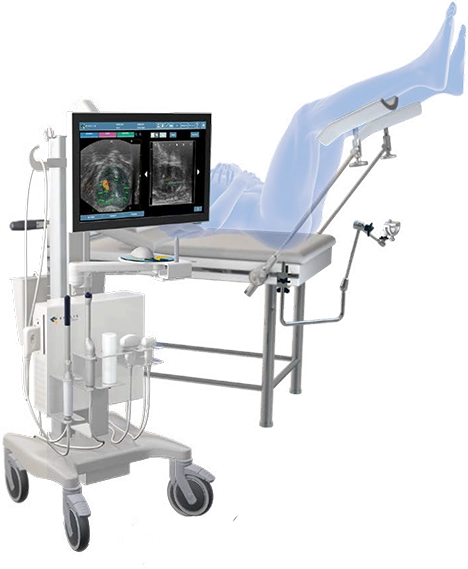
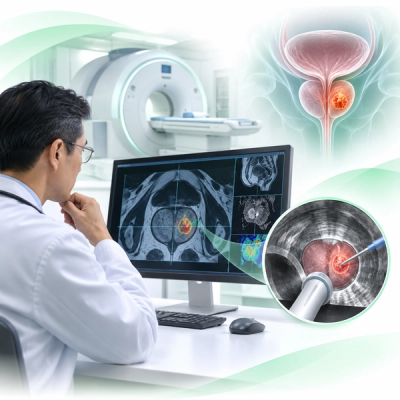
At Mahkota Specialist Hospital, we offer KOELIS MRI–Ultrasound Fusion Biopsy, an advanced diagnostic technology that supports targeted sampling of suspicious prostate lesions.
Conventional ultrasound-guided prostate biopsy may involve collecting tissue samples from predetermined areas of the prostate.
KOELIS fusion biopsy combines previously acquired MRI images with real-time ultrasound imaging, allowing specialists to identify and target suspicious areas more precisely during the procedure.
This approach can improve the detection of clinically significant prostate cancer in appropriate patients and provide valuable information for treatment planning.
How Does KOELIS Fusion Biopsy Work?
Step 1: Prostate MRI
A prostate MRI is performed to identify suspicious areas within the prostate gland that may require further investigation.
Step 2: MRI–Ultrasound Image Fusion
The KOELIS system combines MRI information with real-time ultrasound images, helping the specialist locate suspicious prostate lesions during the biopsy.
Step 3: Targeted Tissue Sampling
Using the fused images as guidance, the specialist collects tissue samples from selected suspicious areas. Additional systematic samples may also be taken when clinically indicated.
Step 4: Laboratory Analysis
The collected tissue samples are examined by a pathologist to confirm whether cancer is present and assess its characteristics.
What Are the Benefits of KOELIS Fusion Biopsy?
- More Precise Targeting
Helps specialists locate and sample suspicious prostate lesions identified through MRI.
- Improved Detection of Clinically Significant Cancer
MRI-targeted biopsy can improve the detection of clinically significant prostate cancer compared with systematic biopsy alone in appropriate patients.
- Detailed Prostate Mapping
The system supports documentation of targeted lesions and biopsy sampling locations to assist diagnostic assessment.
- Informed Treatment Planning
Biopsy findings provide important information to help specialists determine the next steps in prostate cancer management.
KOELIS Fusion Biopsy supports a more targeted diagnostic approach, although no biopsy technique can guarantee the detection of every prostate cancer. The procedure, risks, preparation and recovery will be explained by the treating specialist.
Understanding the Stages of Prostate Cancer
Prostate cancer staging describes the extent of the disease and helps specialists recommend appropriate treatment.
Doctors determine the stage using a combination of PSA results, biopsy findings, imaging and other clinical information.
Treatment decisions also take into consideration the cancer's grade, risk category and the patient's overall health.
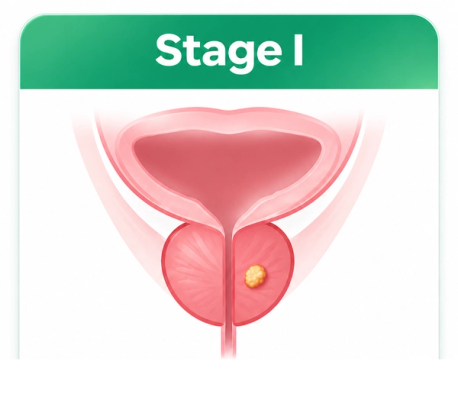
Stage I
Cancer is localised within the prostate and generally has lower-risk features.
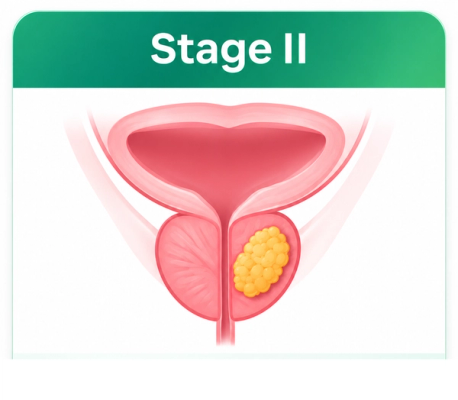
Stage II
Cancer remains within the prostate but may have higher-risk characteristics.
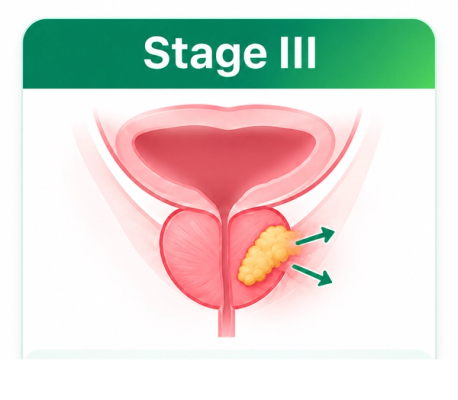
Stage III
Cancer may extend beyond the prostate or have other high-risk features without distant spread.
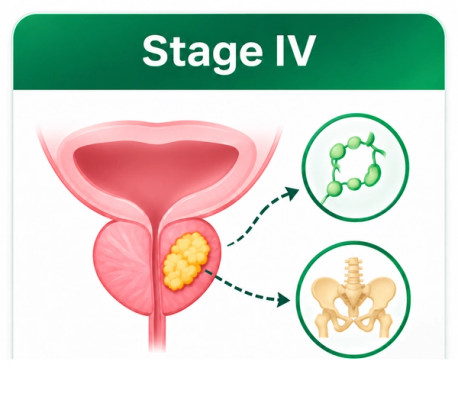
Stage IV
Cancer may involve regional lymph nodes or distant organs, such as the bones.
Prostate Cancer Treatment Options at Mahkota Specialist Hospital
Treatment for prostate cancer depends on several factors, including the cancer stage, tumour grade, PSA level, overall health and individual treatment goals.
At Mahkota Specialist Hospital, our specialists work together to recommend an appropriate treatment approach based on each patient's condition.

1. Active Surveillance
For selected men with low-risk, localised prostate cancer, immediate treatment may not be necessary.
Active surveillance involves regular monitoring through PSA tests, clinical assessments, MRI scans and repeat biopsies when indicated.
Treatment may be recommended if there are signs of cancer progression.
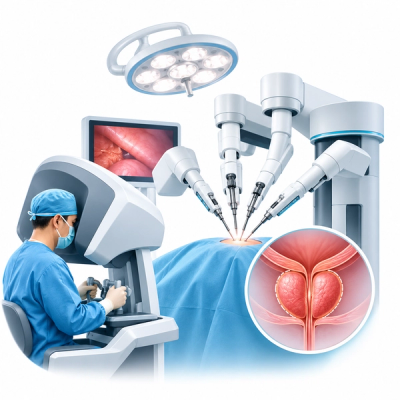
2. Radical Prostatectomy
Radical prostatectomy is a surgical procedure to remove the prostate gland and seminal vesicles, with nearby lymph nodes also removed in selected cases.
It is one of the treatment options for suitable patients with localised or selected locally advanced prostate cancer.
The procedure may be performed using open, laparoscopic or robotic-assisted techniques.
Mahkota Specialist Hospital offers robotic-assisted surgical capabilities using the hinotori™ Robotic Surgical System.
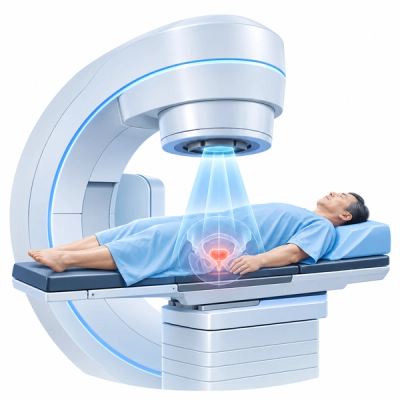
3. Radiotherapy
Radiotherapy uses high-energy radiation to destroy cancer cells or control their growth.
It may be recommended as a primary treatment, following surgery in selected patients or to help manage symptoms associated with advanced prostate cancer.
Mahkota Specialist Hospital provides radiotherapy supported by the TomoTherapy Radixact X7 system for suitable patients.

4. Hormone Therapy
Hormone therapy, also known as androgen deprivation therapy (ADT), works by reducing or blocking the effects of male hormones that can stimulate prostate cancer growth.
It may be recommended alongside radiotherapy or as part of treatment for more advanced prostate cancer.

5. Chemotherapy and Other Systemic Treatments
For certain patients with advanced prostate cancer, chemotherapy or other systemic treatments may be considered.
The recommended approach depends on the cancer's characteristics, progression, previous treatments and the patient's overall health.
Robotic-Assisted Prostatectomy with the hinotori™ Robotic Surgical System
Minimally Invasive Prostate Cancer Surgery in Melaka
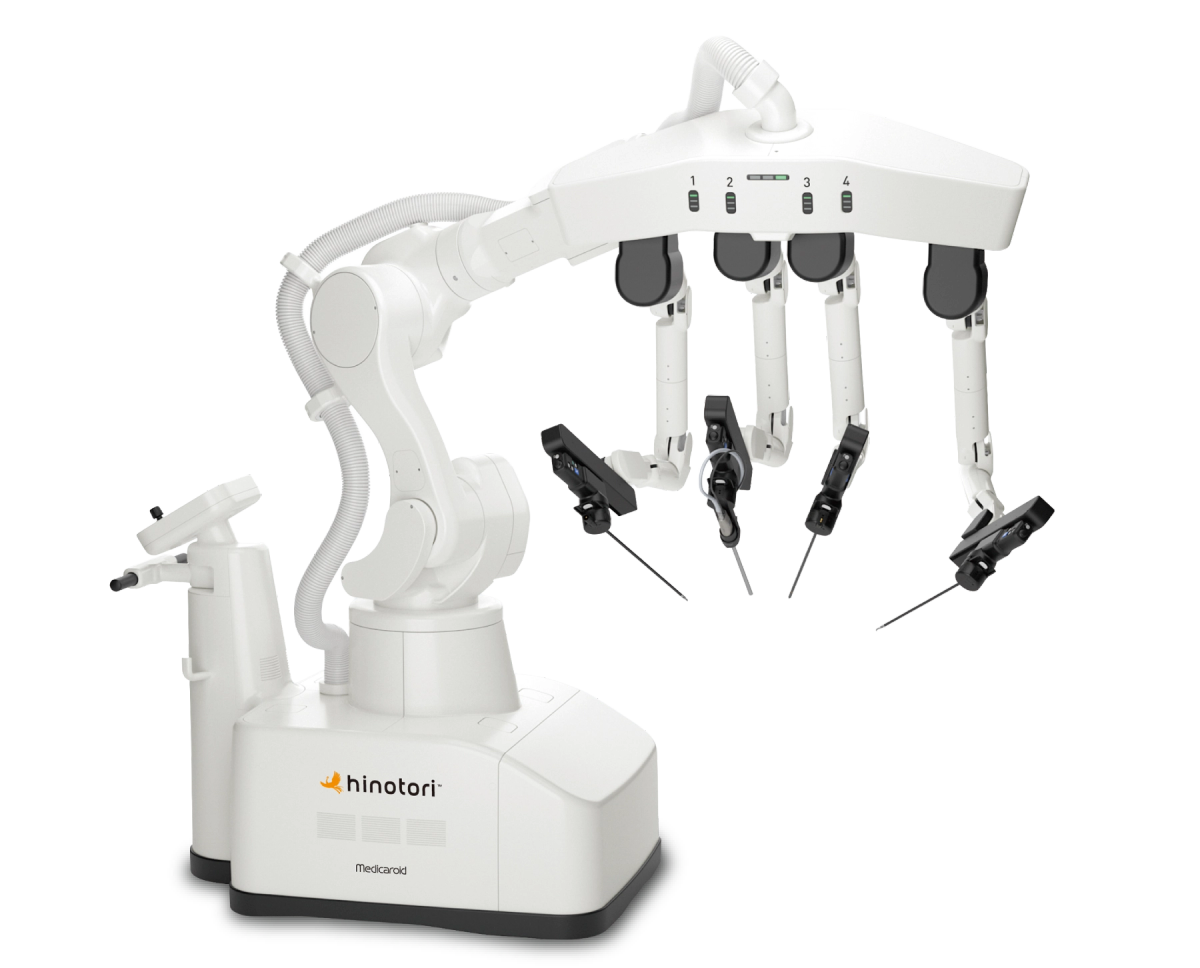
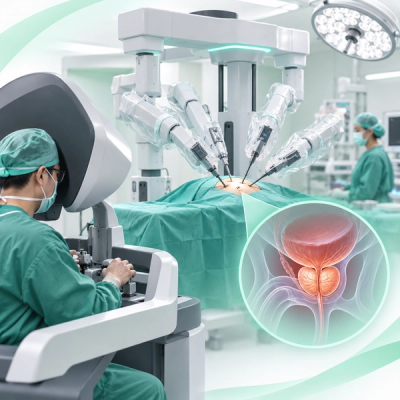
Mahkota Specialist Hospital offers advanced robotic-assisted surgery supported by the hinotori™ Robotic Surgical System, a robotic surgical platform developed in Japan.
Robotic-assisted radical prostatectomy is a minimally invasive surgical procedure used to remove the prostate gland in suitable patients diagnosed with prostate cancer.
The hinotori™ system features three-dimensional visualisation and articulated robotic instruments, helping surgeons perform controlled movements during complex procedures.
How Does Robotic-Assisted Radical Prostatectomy Work?
During the procedure, the surgeon performs the operation through several small incisions in the abdomen.
The robotic system allows the surgeon to control surgical instruments while viewing the operative area through three-dimensional imaging.
The prostate gland and seminal vesicles are removed, and the bladder is reconnected to the urethra.
The surgeon remains in control of the robotic instruments throughout the operation.
Potential Benefits of Robotic-Assisted Prostatectomy
- Minimally Invasive Surgery
Small incisions may result in less postoperative discomfort and reduced wound complications compared with traditional open surgery.
- Enhanced Surgical Visualisation
Three-dimensional imaging provides detailed views of anatomical structures during the operation.
- Precise Instrument Control
Articulated robotic instruments support controlled surgical movements within confined anatomical spaces.
- Potentially Reduced Blood Loss
Robotic-assisted approaches may result in less blood loss compared with traditional open surgery.
- Recovery Advantages
Suitable patients may experience shorter hospital stays and a quicker return to some daily activities compared with open surgery.
Actual benefits and recovery outcomes vary between individuals.
As with other surgical procedures, robotic-assisted prostatectomy carries risks, including bleeding, infection, urinary incontinence, erectile dysfunction and anaesthetic complications.
Your specialist will discuss whether robotic-assisted surgery is appropriate for your condition, including the potential benefits and risks.
Discover More About hinotori™ Robotic-Assisted Surgery
Learn more about the hinotori™ Robotic Surgical System and how its advanced technology supports minimally invasive surgical procedures at Mahkota Specialist Hospital.
Explore hinotori™ Robotic-Assisted Surgery:
https://www.mahkotamedical.com/services/robotic-assisted-surgery/Hinotori
Learn more about the hinotori™ Robotic Surgical System and how its advanced technology supports minimally invasive surgical procedures at Mahkota Specialist Hospital.
Explore hinotori™ Robotic-Assisted Surgery:
https://www.mahkotamedical.com/services/robotic-assisted-surgery/Hinotori
What to Expect After Prostate Cancer Surgery
Recovery after prostate cancer surgery varies depending on the surgical approach, patient's overall health and individual circumstances.
Following radical prostatectomy, patients may require a temporary urinary catheter while the surgical connection between the bladder and urethra heals.
The healthcare team will provide guidance on wound care, physical activity, catheter management and follow-up appointments.
- Urinary Control
Some patients may experience urinary leakage following prostatectomy. Pelvic floor exercises and other rehabilitation strategies may help improve urinary control over time.
- Sexual Function
Erectile function may be affected following prostate surgery. Recovery depends on several factors, including age, pre-existing function and whether nerve-sparing surgery is appropriate.
- Follow-Up Care
Regular follow-up appointments and PSA monitoring are important after prostate cancer treatment to assess the patient's recovery, treatment response and any signs of recurrence.
Our healthcare team provides guidance and supportive care throughout the recovery journey.
Why Choose Mahkota for Prostate Cancer Care?
Advanced Diagnostic Technology
KOELIS MRI–Ultrasound Fusion Biopsy supports targeted sampling of suspicious prostate lesions to help guide diagnosis and treatment decisions.
Robotic-Assisted Surgical Capabilities
The hinotori™ Robotic Surgical System supports minimally invasive surgical procedures, including prostatectomy for suitable patients.

Multidisciplinary Cancer Care
Collaboration among urologists, oncologists, radiologists and other specialists supports personalised treatment planning.

Internationally Recognised Oncology Services
Mahkota Specialist Hospital has been recognised in Newsweek and Statista's Best Specialized Hospitals Asia Pacific rankings for Oncology for four consecutive years, from 2023 to 2026.

Care Beyond Treatment
From diagnostic assessment and treatment to follow-up and supportive care, our team is committed to helping patients navigate their cancer journey.
Meet Our Prostate Cancer Specialists
Our urology specialists provide consultation, assessment and treatment for prostate conditions, including prostate cancer.

Dr Koh Eng Thye

Dr Michael Cheng Kok Hong
Frequently Asked Questions About Prostate Cancer
1. What Are the Early Signs of Prostate Cancer?

Early-stage prostate cancer often causes no noticeable symptoms. Some men may experience urinary changes such as frequent urination, difficulty starting urination or a weak urine stream.
However, these symptoms can also be caused by non-cancerous prostate conditions.
2. Does a High PSA Level Mean I Have Prostate Cancer?
3. At What Age Should Men Consider Prostate Cancer Screening?
4. What Is KOELIS Fusion Biopsy?
5. Is KOELIS Fusion Biopsy More Accurate Than Conventional Prostate Biopsy?
6. Is Prostate Biopsy Painful?
7. What Is Robotic-Assisted Radical Prostatectomy?
8. Can Prostate Cancer Be Cured?
9. How Long Does Recovery Take After Robotic Prostatectomy?
10. Will Robotic Prostatectomy Affect Urinary Control or Sexual Function?
11. Is Robotic Surgery Suitable for Every Prostate Cancer Patient?
12. Where Can I Get Prostate Cancer Treatment in Melaka, Malaysia?