
Mahkota Medical Centre Strengthens Robotic Surgery Leadership in Southern Malaysia Through International Mahkota Symposium 2026
International Mahkota Symposium 2026 brings doctors across specialties together to advance modern surgery, timely referral and responsible adoption of robotic-assisted surgery.
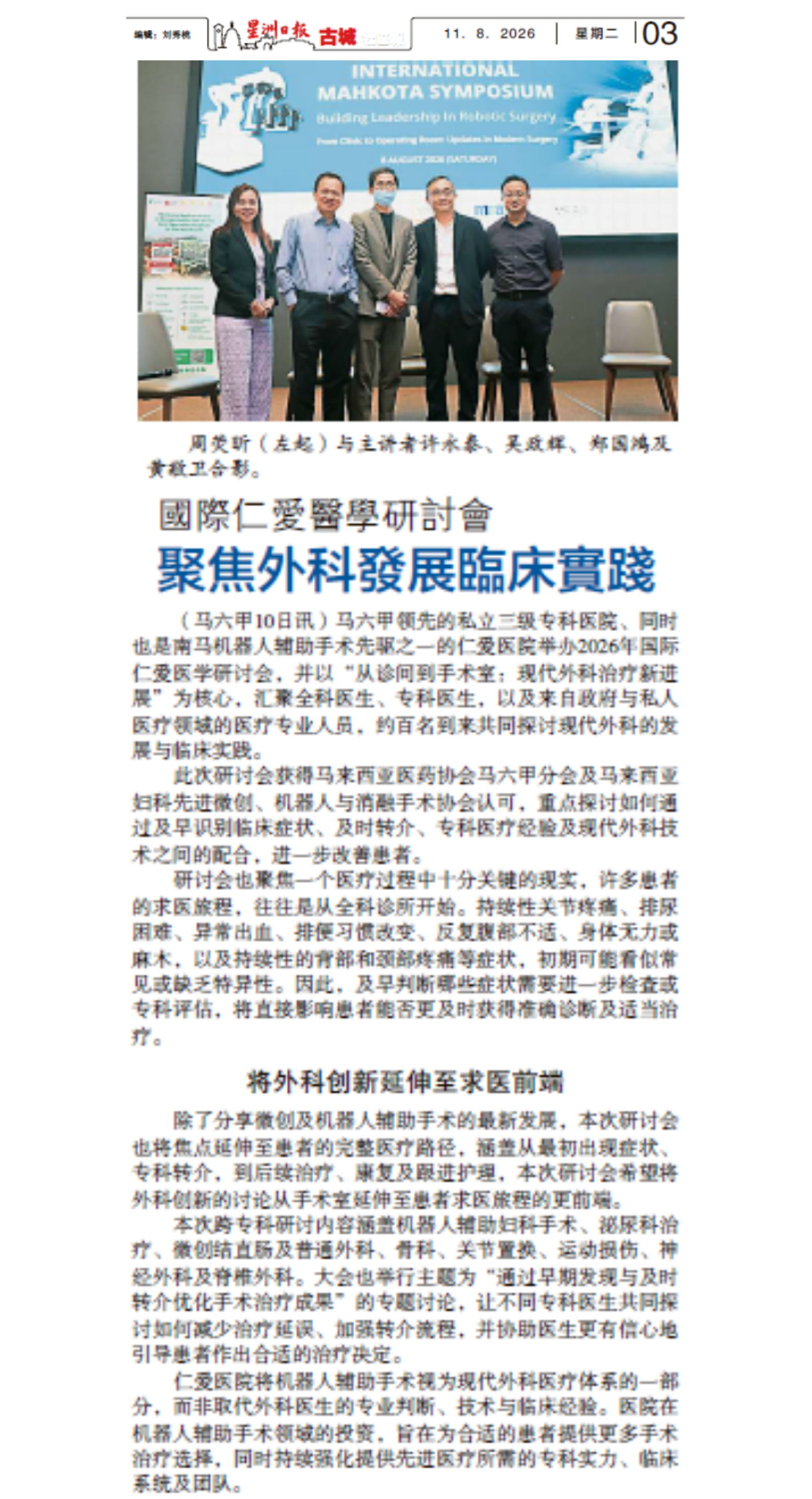
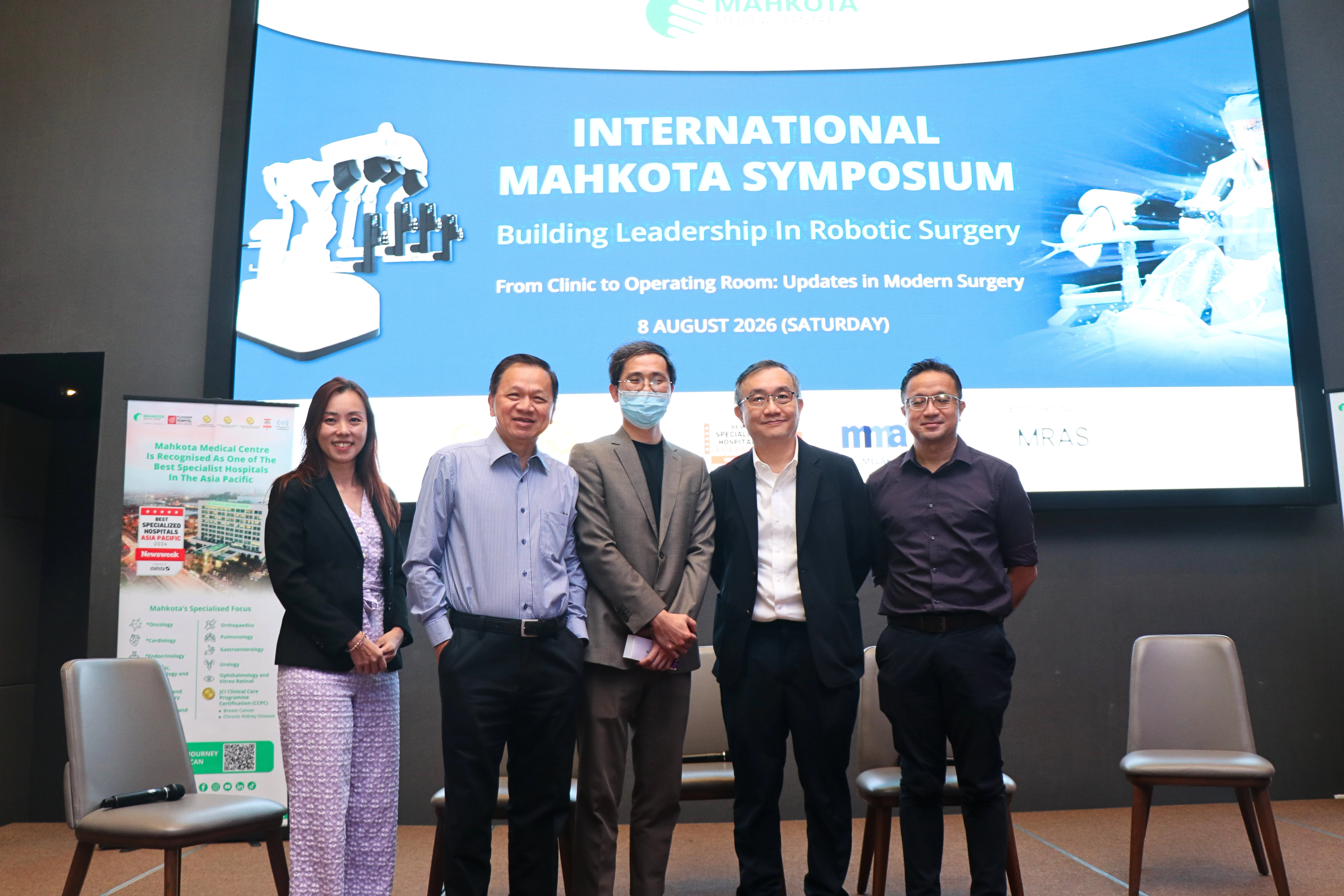
Mahkota Medical Centre’s International Mahkota Symposium 2026: Building Leadership in Robotic-Assisted Surgery was recently featured by Sin Chew Daily, highlighting the hospital’s continued focus on modern surgical development, clinical practice and collaboration across the patient care journey.
In its coverage, Sin Chew Daily recognised Mahkota Medical Centre as a leading tertiary private hospital in Melaka and one of the pioneers of robotic-assisted surgery in Southern Malaysia. The symposium, centred on “From Clinic to Operating Room: Updates in Modern Surgery,” brought together general practitioners, specialists and healthcare professionals to exchange clinical perspectives on how surgical advances can be translated into better patient care.
For Mahkota Medical Centre, advancing robotic-assisted surgery goes beyond introducing new technology. It requires the clinical expertise, training, referral pathways and multidisciplinary collaboration needed to use that technology responsibly and meaningfully.
Leadership in Robotic Surgery Goes Beyond the Operating Room
A strong robotic surgery programme begins long before a patient enters the operating theatre.
For many patients, the healthcare journey starts with a general practitioner. Persistent joint pain, urinary difficulties, abnormal bleeding, changes in bowel habits, recurring abdominal discomfort, weakness, numbness or persistent back and neck pain may initially appear non-specific.
Recognising when these symptoms require further investigation or specialist assessment can influence how quickly a patient receives an accurate diagnosis and appropriate treatment. Timely referral may allow specialists to assess patients while more treatment options remain available, while reducing repeated consultations and unnecessary delays.
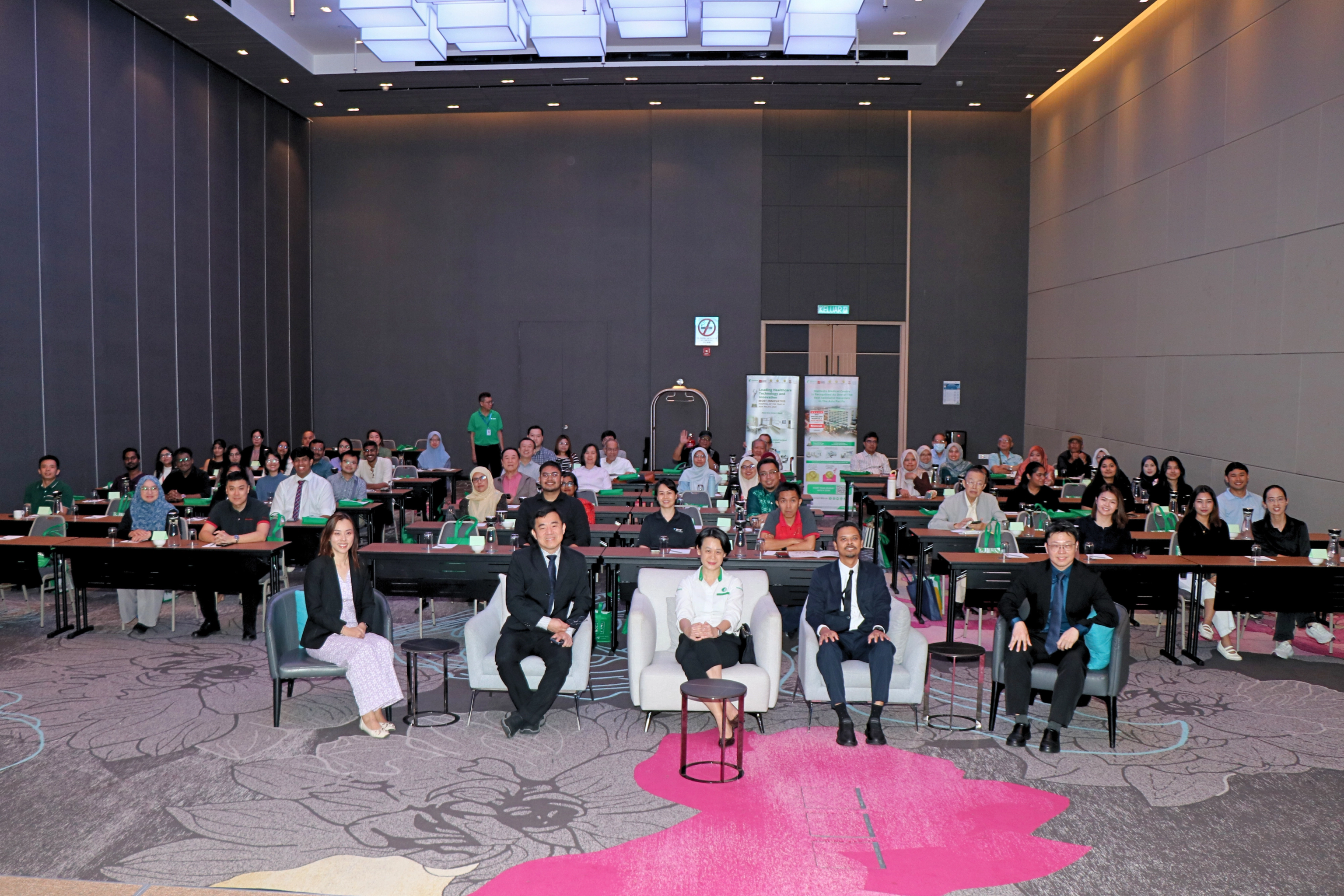
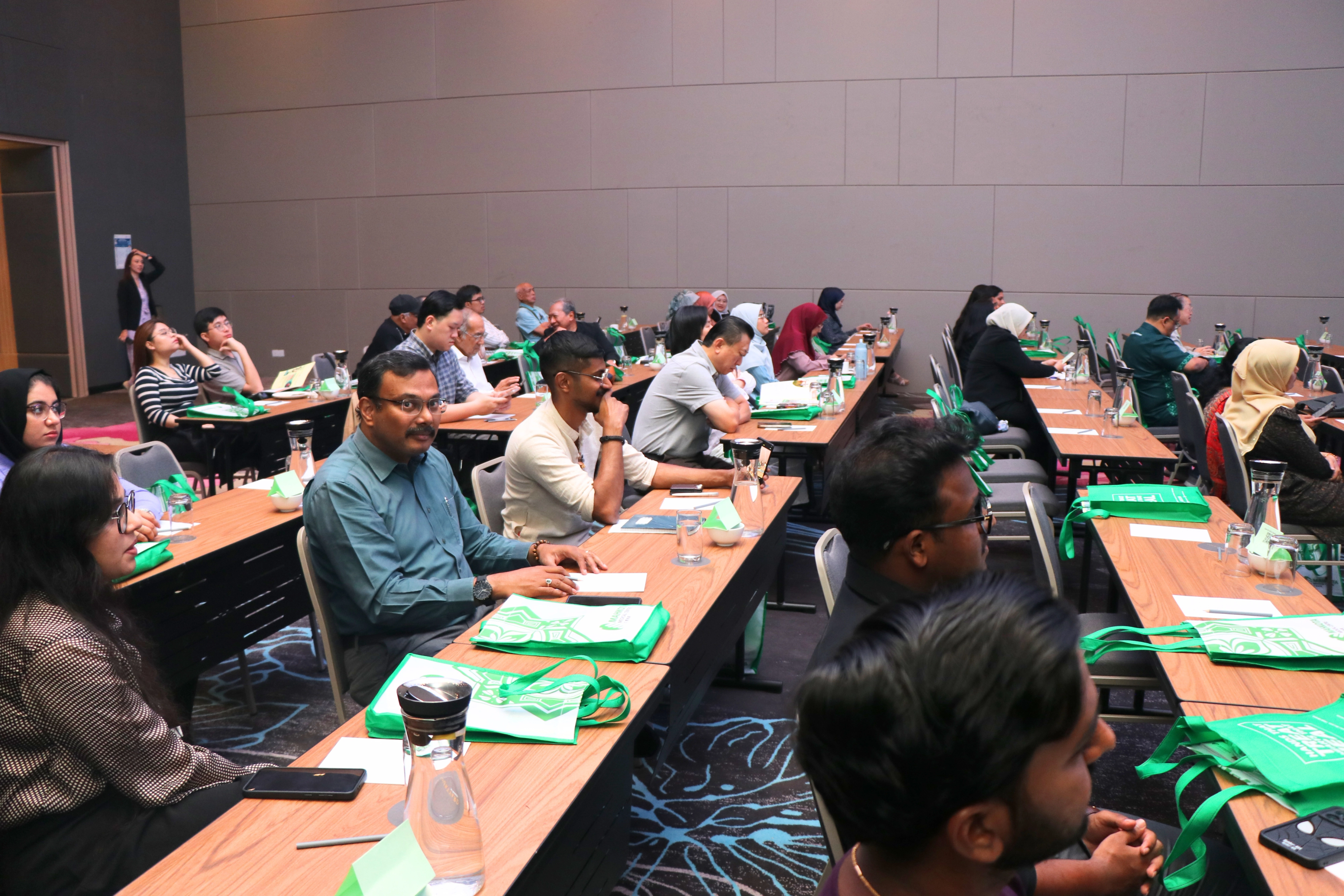
This was a key focus of the International Mahkota Symposium 2026. Through case discussions, specialist presentations and multidisciplinary dialogue, doctors explored how earlier clinical recognition, clearer referral pathways and closer communication between primary and specialist care can support a more coordinated patient journey.
It reflects an important part of Mahkota’s approach to leadership: advanced surgery is most valuable when the healthcare system around it is equally strong.
Building Clinical Capability Across Multiple Specialties
The symposium brought together expertise across orthopaedics, gynaecology, urology, colorectal surgery, minimally invasive surgery, sports injury management, neurosurgery and spine surgery.
Seven specialists shared practical updates covering hip and knee replacement, robotic-assisted joint replacement, sports injuries, robotic gynaecological surgery, lower urinary tract symptoms, prostate cancer, minimally invasive colorectal surgery, as well as advances in neurosurgery and spine surgery.
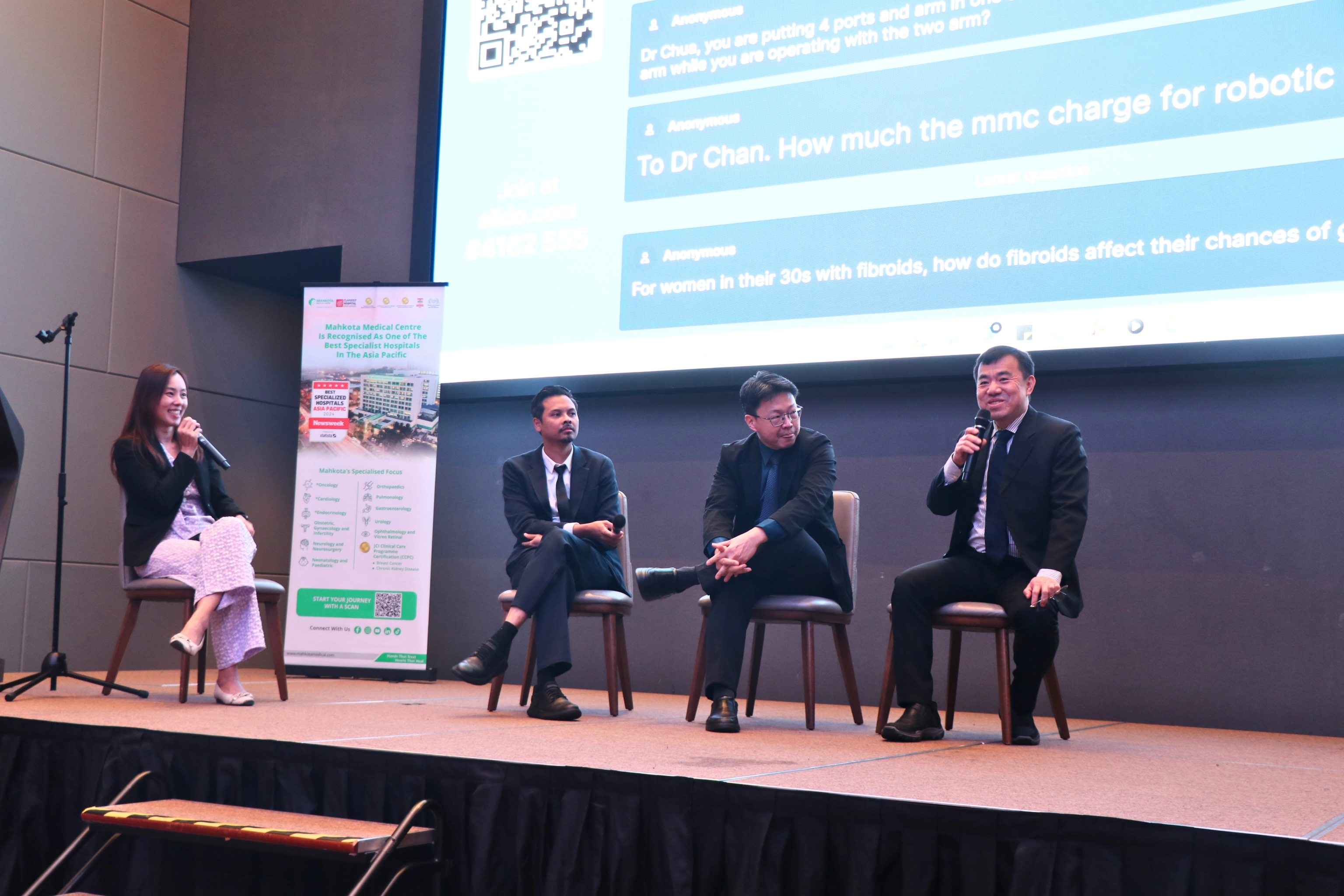
The multidisciplinary panel “Optimising Surgical Outcomes Through Early Detection & Timely Referral” further connected these specialties, focusing on how doctors can recognise patients who require further assessment, reduce delays in specialist care and guide patients more confidently through treatment decisions.
This exchange of clinical knowledge is part of what sustained leadership in robotic surgery requires: experienced specialists, appropriate patient selection, strong clinical governance and a healthcare community that understands when advanced surgical options should be considered.
Advancing Robotic-Assisted Surgery in Southern Malaysia
Mahkota Medical Centre continues to build its robotic-assisted surgery capabilities through advanced surgical platforms and specialist expertise.
The hospital introduced Malaysia’s first hinotori™ Robotic-Assisted Surgery System, with the technology now supporting minimally invasive procedures for more than 150 patients across urology and gynaecology.
Mahkota’s official robotic surgery service also identifies the hinotori™ platform as a key part of its minimally invasive surgical programme, while the hospital’s introduction of the technology marked the first international adoption of the system outside Japan for gynaecological robotic surgery.
In orthopaedics, the hospital also offers the latest-generation VELYS™ Robotic-Assisted Knee Replacement System, providing surgeons with digital planning, optical tracking and real-time information during total knee replacement procedures.
Together, these platforms reflect a wider strategy: strengthening robotic surgery through technology, specialist capability, clinical experience, professional education and multidisciplinary care.
The surgeon remains in control throughout the procedure, with treatment decisions based on diagnosis, disease severity, overall health, clinical risks and the expected benefits for each individual patient.
Connecting Robotic Surgery with Integrated Cancer Care
The same multidisciplinary approach is particularly relevant in cancer care.
Through CONGO+U, Mahkota Medical Centre brings together specialists across the cancer care continuum from prevention and screening to diagnosis, treatment, survivorship and palliative care with advanced technologies such as robotic-assisted surgery supporting appropriate patients as part of a broader treatment strategy.
This is where Mahkota’s robotic surgery capability and integrated care model come together.
For patients who may require surgery as part of cancer treatment, the journey does not begin with the operation itself. It may begin with an abnormal screening result, persistent symptoms or a consultation with a primary care doctor. From there, diagnosis, multidisciplinary evaluation, treatment planning, surgery and subsequent follow-up must connect clearly.
Robotic-assisted surgery may form one part of that journey, particularly within areas such as urology, gynaecology and colorectal surgery, but its role remains guided by the individual patient’s diagnosis and clinical needs. Mahkota’s existing robotic capabilities span these surgical areas, alongside its broader specialist services.
By integrating technology with multidisciplinary cancer expertise, CONGO+U supports Mahkota’s wider aim of delivering more precise, personalised and coordinated cancer care throughout the patient journey.
Leading Through Knowledge, Collaboration and Clinical Experience
Leadership in robotic-assisted surgery is built through continuous clinical development.
Hosting the International Mahkota Symposium 2026 provided a platform for doctors to discuss real clinical challenges, understand evolving treatment options and strengthen the connections between primary care and specialist services.
As surgical technology continues to develop, Mahkota Medical Centre will continue investing in specialist expertise, robotic-assisted surgical platforms, professional education, clinical governance and multidisciplinary collaboration.
The goal is clear: to strengthen Mahkota’s role in advancing robotic-assisted surgery in Southern Malaysia while ensuring that innovation ultimately translates into better-connected, clinically appropriate and patient-centred care.
Read the full coverage by Sin Chew Daily: