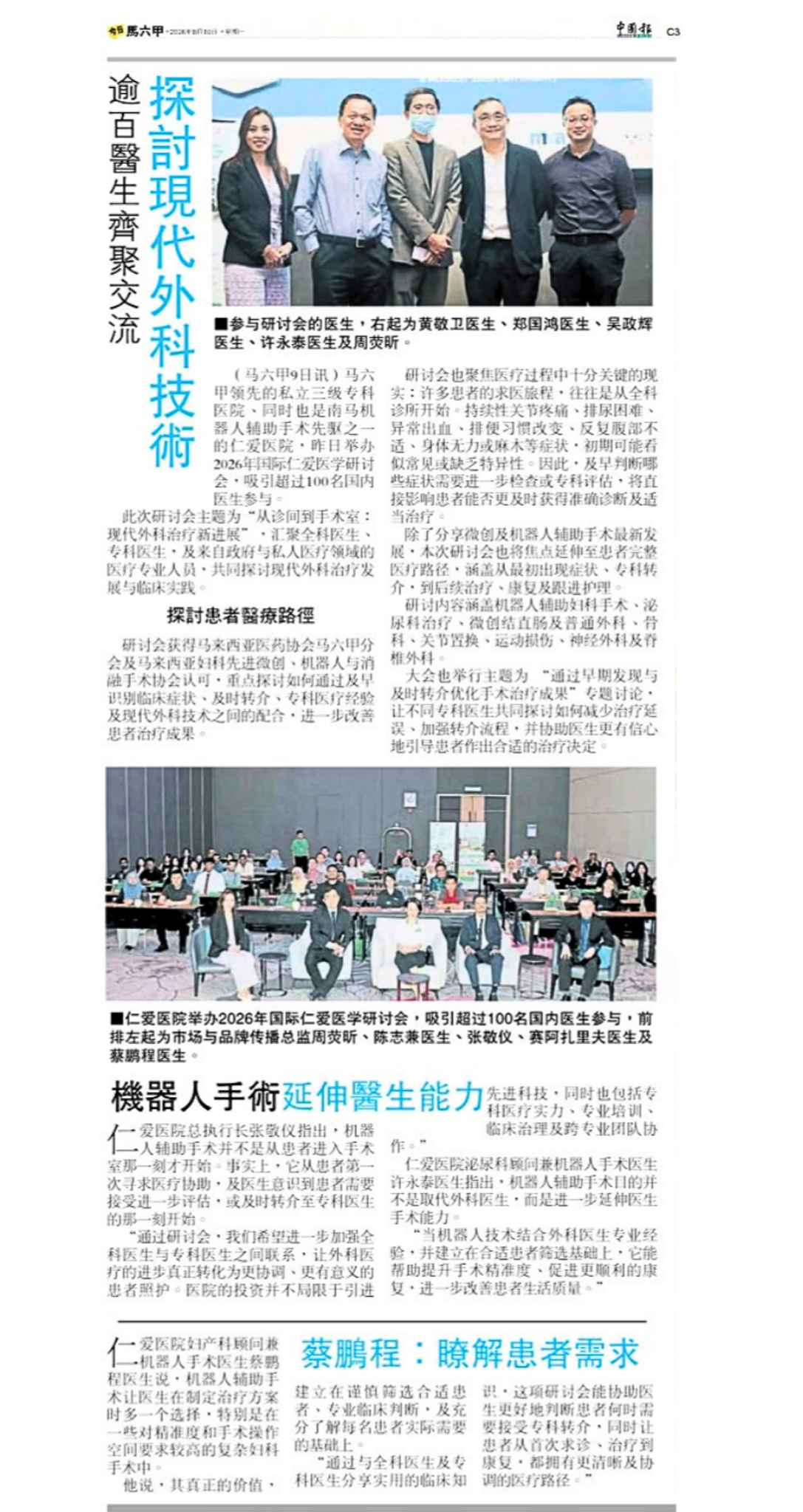


Mahkota Medical Centre’s International Mahkota Symposium 2026 Featured in China Press
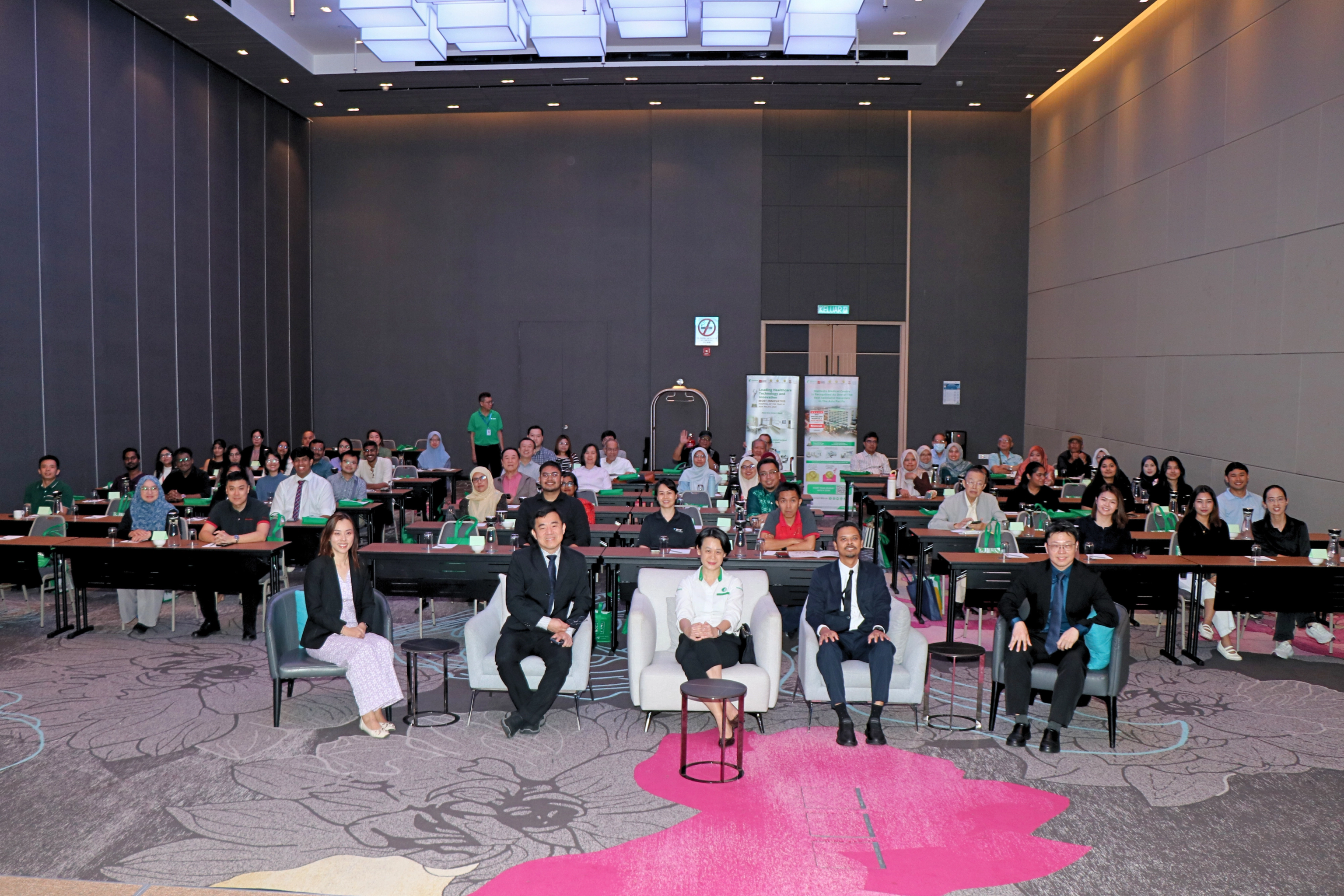
MELAKA, 8 August 2026 - Mahkota Medical Centre’s International Mahkota Symposium 2026: Building Leadership in Robotic-Assisted Surgery was recently featured by China Press, which highlighted the participation of more than 100 doctors in the medical symposium and its focus on the latest developments in modern surgical care.
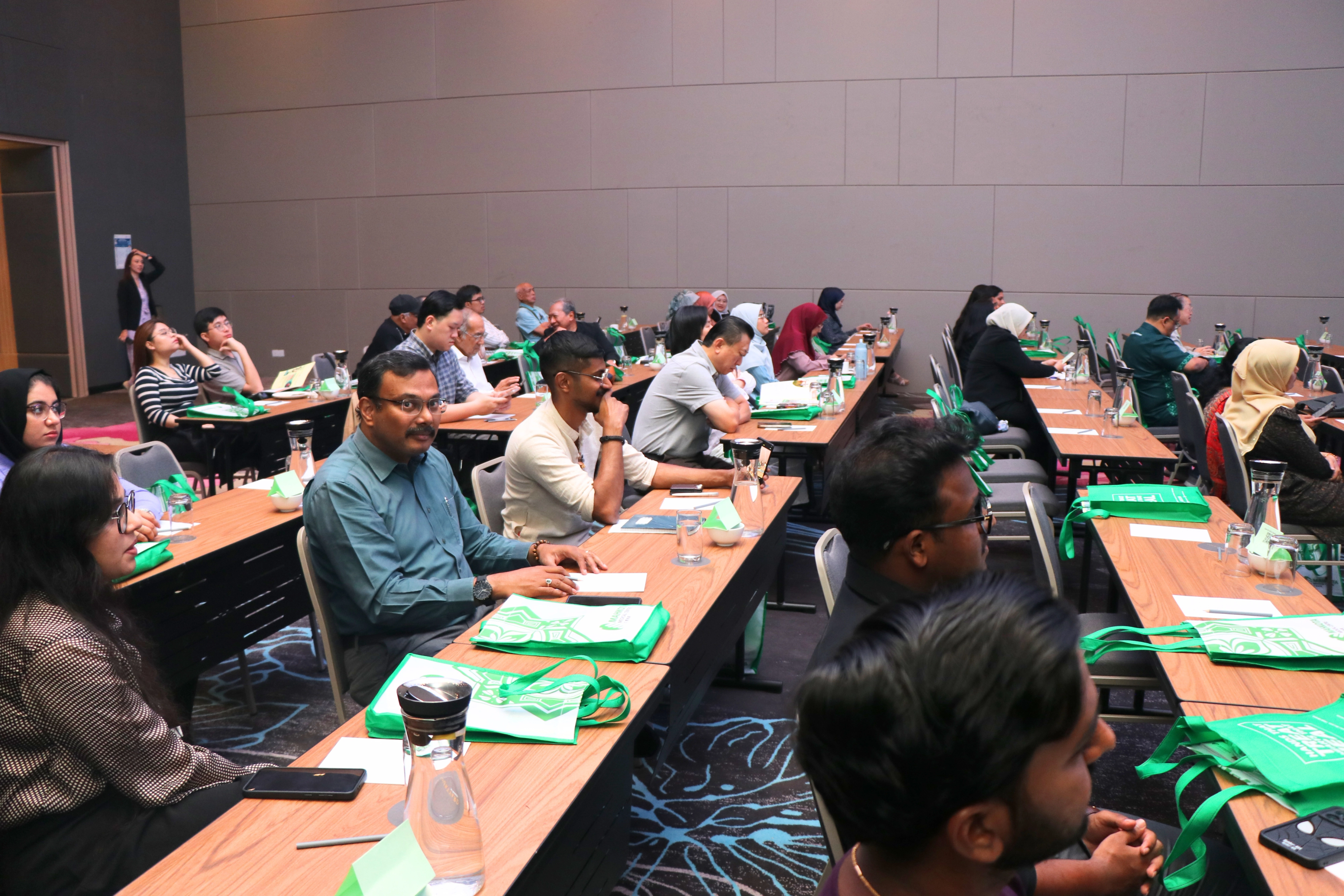
Held on 8 August 2026 in Melaka, the full-day scientific programme brought together general practitioners, specialists and medical professionals from the public and private healthcare sectors. Centred on the theme “From Clinic to Operating Room: Updates in Modern Surgery,” the symposium created a platform for doctors across different disciplines to exchange practical clinical knowledge and discuss how advances in surgery can be better connected with the earlier stages of a patient’s healthcare journey.
The symposium was endorsed by the Malaysian Medical Association (MMA) Melaka Branch and the Advanced MIS, Robotic & Ablation Society of Gynaecologists Malaysia (AMRAS).
Connecting the First Consultation with Specialist Care
One of the key discussions throughout the symposium was that successful surgical care often begins well before a patient reaches the operating room.
For many patients, their first point of contact is a general practitioner. Symptoms such as persistent joint pain, urinary difficulties, abnormal bleeding, changes in bowel habits, recurring abdominal discomfort, weakness, numbness, or persistent back and neck pain may initially appear common or non-specific.
At this stage, the doctor’s ability to recognise warning signs, determine when further investigations are required and identify the appropriate time for specialist referral can have an important influence on the patient’s subsequent care.
A timely referral allows the specialist to assess the patient earlier, when a wider range of treatment options may still be available. It may also reduce repeated consultations, prolonged uncertainty and unnecessary delays before an appropriate diagnosis or treatment plan is established.
Through case-based discussions and multidisciplinary presentations, participating doctors exchanged practical insights on clinical findings that may warrant further assessment, referral pathways, current treatment options, patient counselling, pre-operative optimisation and post-treatment follow-up.
The discussion also addressed an important clinical question: which patients may be suitable for minimally invasive or robotic-assisted surgery, and when should these options be considered?
A Multidisciplinary View of Modern Surgery
The programme extended beyond robotic surgery alone.
Specialists shared updates across orthopaedics, joint replacement, sports injury management, gynaecology, urology, colorectal surgery, minimally invasive surgery, neurosurgery and spine surgery.
Among the topics presented were current approaches to hip and knee replacement, robotic-assisted joint replacement, sports injury management in general practice, hinotori™ robotic gynaecological surgery, management of lower urinary tract symptoms, current treatment of prostate cancer, minimally invasive colorectal surgery, and advances in neurosurgery and spine surgery.
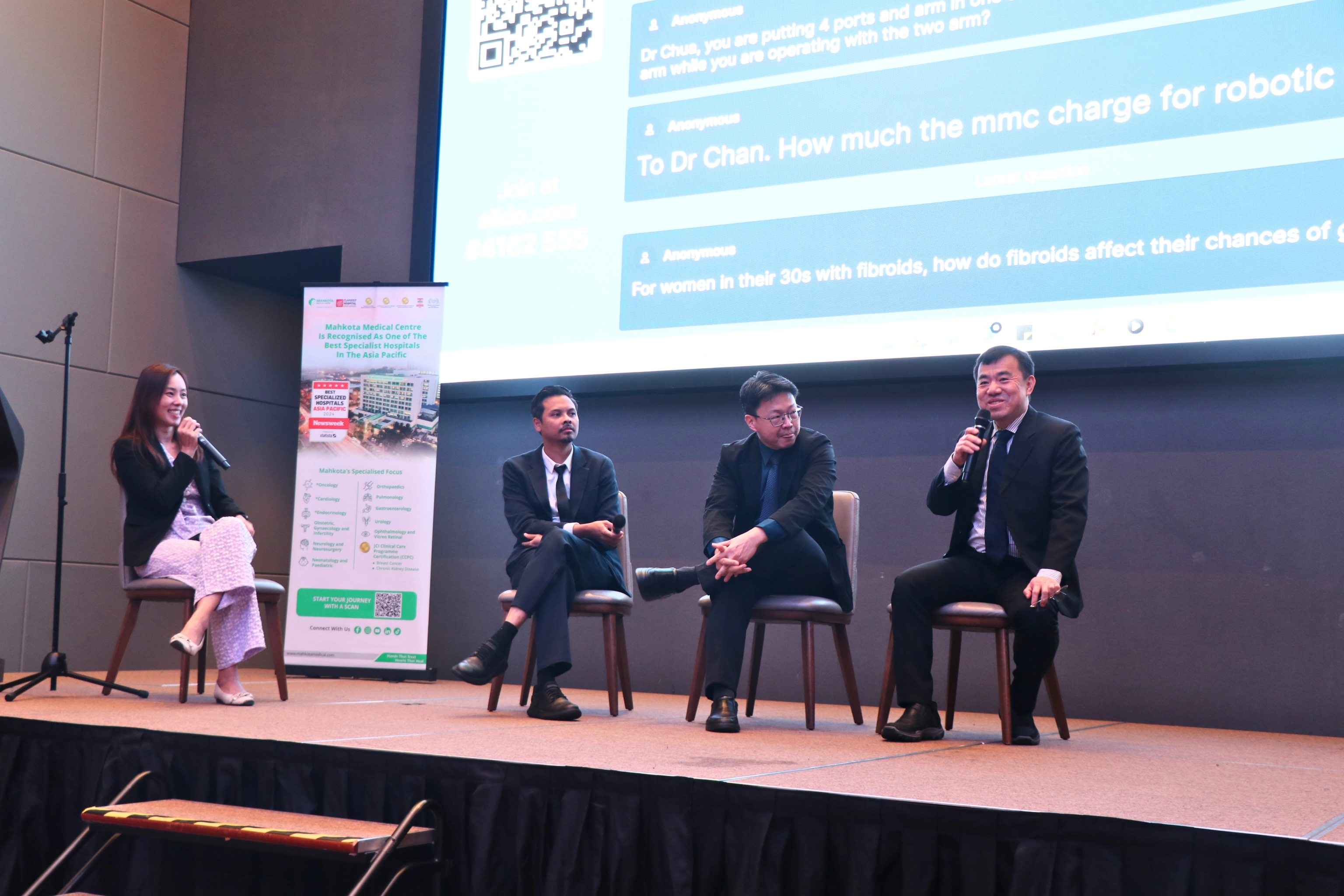
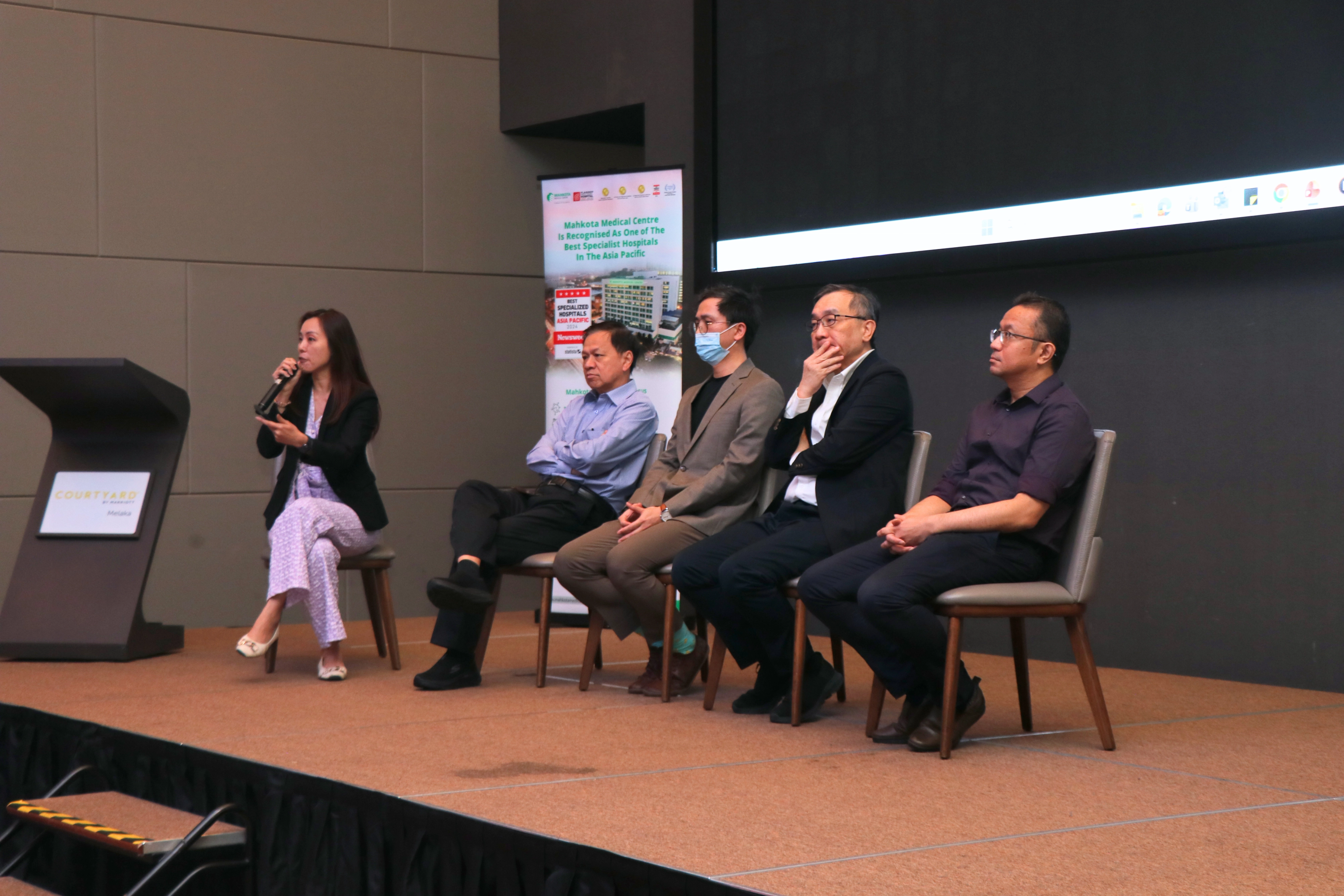
A multidisciplinary panel titled “Optimising Surgical Outcomes Through Early Detection & Timely Referral” brought the different specialties together to examine the points at which delays can occur in a patient’s journey and how clearer communication between primary care doctors and specialists can help patients move through assessment, diagnosis and treatment more efficiently.
For patients, this collaboration matters because healthcare rarely takes place in isolation. A clearer connection between the first consultation, specialist assessment, treatment and follow-up can create a more coordinated care pathway.
Building Clinical Capability in Robotic-Assisted Surgery
Robotic-assisted surgery was another major focus of the symposium, particularly its role within a wider modern surgical ecosystem.
At Mahkota Medical Centre, robotic technology is used as a surgical platform that supports the surgeon’s clinical judgement and technical capabilities. Features including enhanced three-dimensional visualisation, surgeon-controlled instrument movement, digital planning and real-time procedural information can support greater control during selected complex procedures.
The surgeon remains responsible for the operation and for determining whether robotic-assisted surgery is appropriate for each individual patient. Factors such as diagnosis, disease severity, overall health, clinical risks and the expected benefits of treatment remain central to that decision.
Since introducing Malaysia’s first hinotori™ Robotic-Assisted Surgery System, Mahkota Medical Centre has used the technology to support minimally invasive procedures for more than 150 patients across urology and gynaecology.
The hospital also offers the latest-generation VELYS™ Robotic-Assisted Knee Replacement System, which provides orthopaedic surgeons with digital planning, optical tracking and real-time information during total knee replacement procedures.
These platforms form part of a broader effort to strengthen surgical capability through specialist expertise, professional training, clinical governance, multidisciplinary teamwork and digitally enabled care.
Technology Supported by Clinical Judgement
Speaking on robotic-assisted surgery, Dr Koh Eng Thye, Consultant Urologist and Robotic Surgeon at Mahkota Medical Centre, emphasised that its purpose is to extend the surgeon’s capabilities rather than remove the surgeon from the procedure.
When applied to appropriately selected patients and supported by surgical expertise, robotic technology can translate the surgeon’s clinical judgement and intended movements into more controlled and precise surgical actions.
Dr Chua Peng Teng, Vice President of AMRAS and Consultant Obstetrician and Gynaecologist and Robotic Surgeon at Mahkota Medical Centre, also highlighted the value of robotic-assisted surgery as an additional treatment option, particularly for complex gynaecological procedures where precision and surgical access are important.
He stressed that its value continues to depend on appropriate patient selection, sound clinical judgement and an understanding of the individual patient’s needs.
Strengthening Collaboration Across the Patient Journey
The wider purpose of the International Mahkota Symposium 2026 was to create stronger clinical connections between doctors working at different stages of a patient’s care.
By bringing general practitioners and specialists into the same discussion, Mahkota Medical Centre hopes to encourage earlier recognition of conditions requiring specialist attention, more timely referral, clearer communication around treatment options and stronger continuity after hospital treatment.
As surgical techniques and technologies continue to evolve, the hospital will continue investing in clinical expertise, advanced surgical platforms, medical education and multidisciplinary collaboration, helping translate medical progress into more connected and meaningful care for patients.
Read the full coverage by ChinaPress: